

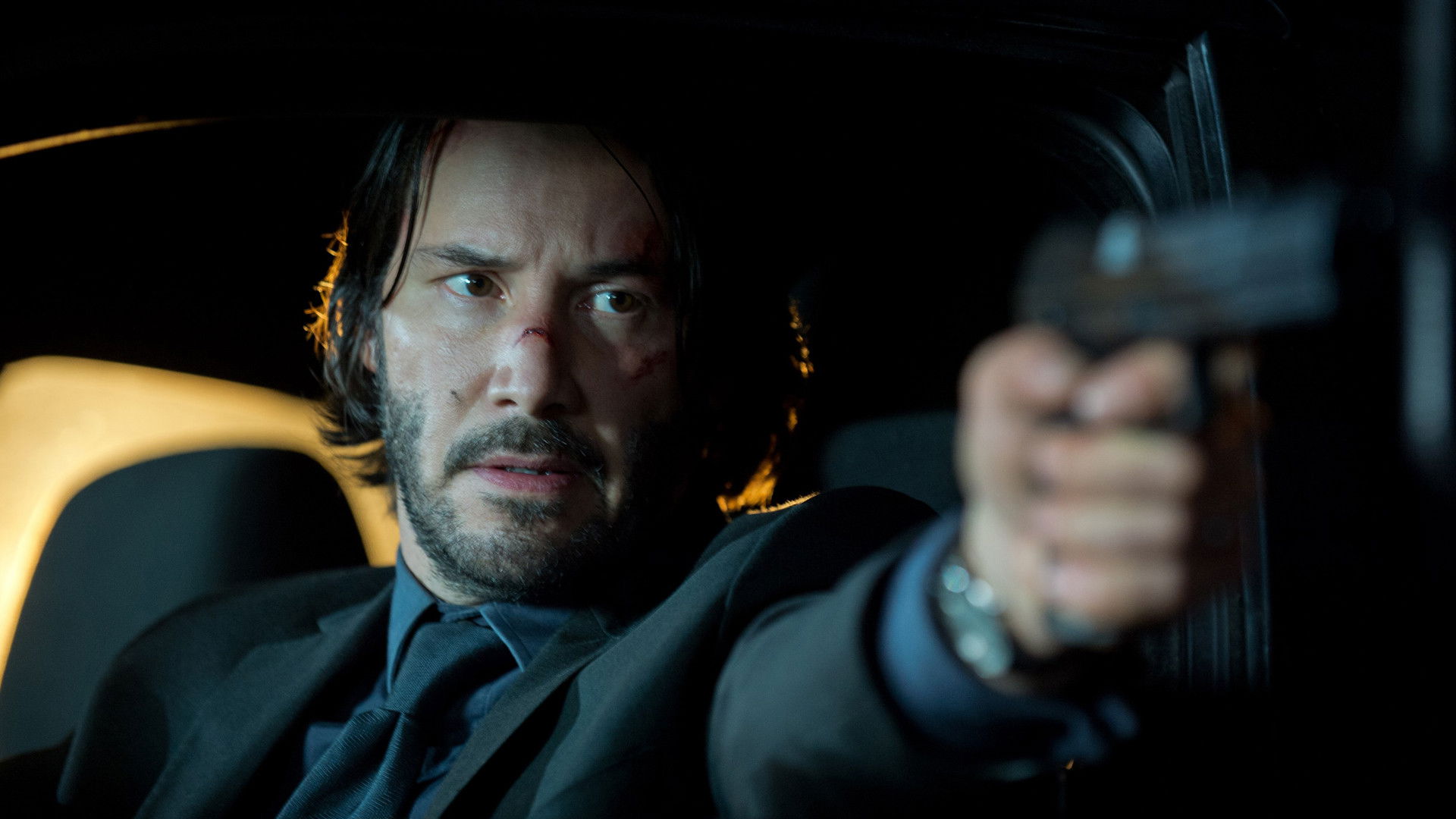
When John Wick was released in 2014, few people expected it to change the action genre forever. On paper, the story sounded simple — a retired hitman seeks revenge after gangsters steal his car and kill his dog. But what audiences received was something far more impactful: a sleek, stylish, brutally efficient action film that reshaped how modern action movies are made.
More than a decade later, John Wick has grown into a global franchise and cultural phenomenon. Its influence can be seen in everything from fight choreography to cinematography and even video games. This article explores why John Wick matters, what makes it different, and how it transformed action cinema.
The Birth of a New Action Icon
At the center of the franchise is Keanu Reeves, an actor already famous for action roles in The Matrix and Speed. However, John Wick introduced a different kind of action hero.
John Wick is not loud or flashy. He speaks very little, moves with deadly precision, and carries a sense of sadness that lingers beneath every punch and bullet fired. His grief over his wife’s death — symbolized by the dog she left him — gives emotional weight to the violence.
This emotional grounding immediately separates John Wick from many action films that rely purely on explosions and spectacle.
Simple Story Told Exceptionally Well
The plot of John Wick is intentionally straightforward. There are no complicated twists or unnecessary subplots. This simplicity allows the film to focus on execution rather than exposition.
The movie introduces a hidden criminal underworld with its own rules, currencies, and safe havens. Gold coins replace cash. Assassins gather at luxury hotels where killing is forbidden. Reputation means everything.
This world-building feels organic. The film doesn’t over-explain — it trusts the audience to understand through visual storytelling.
Action Choreography That Changed the Game
One of John Wick’s biggest contributions to cinema is its fight choreography.
Gun-Fu and Realism
The film popularized a hybrid combat style often called “gun-fu”, blending firearms with martial arts techniques. Instead of chaotic gunfire, the action scenes are precise and methodical. Every movement has purpose.
Keanu Reeves trained extensively in:
-
Tactical firearms handling
-
Brazilian Jiu-Jitsu
-
Judo
-
Close-quarters combat
This training shows on screen. The camera doesn’t cut away during fights. The audience sees full movements, making the action feel grounded and believable.
Fewer Cuts, More Impact
Unlike many modern action films that rely on rapid editing, John Wick uses longer takes and wider shots. This allows viewers to fully appreciate the choreography and skill involved.
As a result, action feels earned, not artificial.
Key Story Moments Explained
The Dog That Started It All
The death of John Wick’s dog might seem like a small event, but it carries massive emotional weight. The dog represents the last connection to his late wife and a chance at a peaceful life.
By killing the dog, the antagonists don’t just provoke Wick — they erase his hope for normalcy.
This moment transforms John Wick from a grieving man into a force of unstoppable vengeance.
The Baba Yaga Legend
Throughout the film, characters speak of John Wick in hushed tones, calling him the “Baba Yaga.” This mythological framing elevates Wick from human to legend.
The fear he inspires is as powerful as the violence itself. Often, enemies react before Wick even appears on screen.
A Stylish Visual Identity
John Wick is instantly recognizable because of its visual style.
Neon Noir Aesthetic
The film blends noir influences with neon lighting, rain-soaked streets, and high-contrast color palettes. Nightclubs glow with blues and reds. Shadows dominate interiors.
This aesthetic creates a dreamlike but dangerous atmosphere, reinforcing the idea that Wick exists in a world separate from normal society.
Costume as Character
John Wick’s black suit is more than fashion — it’s armor. Later films even reveal it to be bullet-resistant, merging style with function.
This attention to detail elevates the film’s world-building.
Sound Design and Music
The soundtrack combines electronic, industrial, and orchestral elements to drive momentum. Music often syncs with gunshots and movement, turning action scenes into violent choreography.
Silence is also used effectively. Quiet moments heighten tension, making the eventual explosions of violence more impactful.
How John Wick Influenced Other Action Films
After John Wick, audiences began demanding better action — not just louder action.
Its influence can be seen in:
-
Atomic Blonde
-
Extraction
-
Nobody
-
The Raid (which gained wider recognition)
-
Modern superhero fight choreography
Studios realized that viewers appreciate clarity, realism, and skill over shaky cameras and excessive CGI.
The Franchise Expansion
Each sequel expanded the universe:
-
John Wick: Chapter 2 deepened the assassin society
-
Chapter 3 – Parabellum raised the stakes globally
-
Chapter 4 pushed the franchise into epic territory
Rather than diminishing returns, the series grew stronger by respecting its rules and escalating logically.
Criticism and Limitations
Despite its success, John Wick is not without flaws:
-
The story prioritizes action over character development in later films
-
Violence may feel excessive for some viewers
-
Runtime increases in sequels can test patience
However, these are minor compared to what the franchise achieved.
Why John Wick Will Be Remembered
John Wick didn’t just succeed — it reset expectations.
It proved that:
-
Action movies can be simple yet intelligent
-
Practical stunts outperform excessive CGI
-
Respecting the audience leads to loyalty
John Wick is now a benchmark. Any new action movie is inevitably compared to it — and that alone proves its lasting impact.
Final Verdict
John Wick is more than an action movie. It is a blueprint for modern action filmmaking — stylish, emotional, and technically brilliant.
For fans of action cinema, it is essential viewing.


